Source Fixed Engine Throttle Body for Cars, Trucks, and Engines
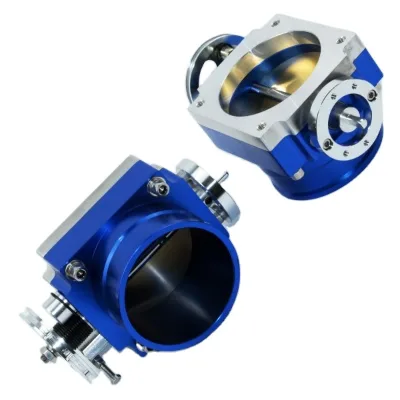
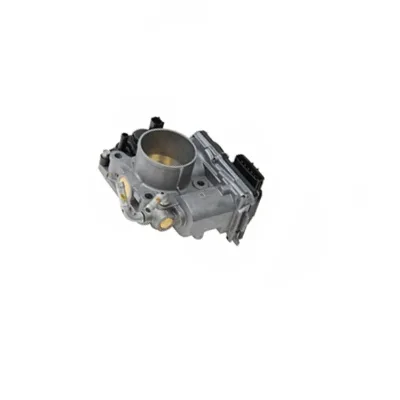
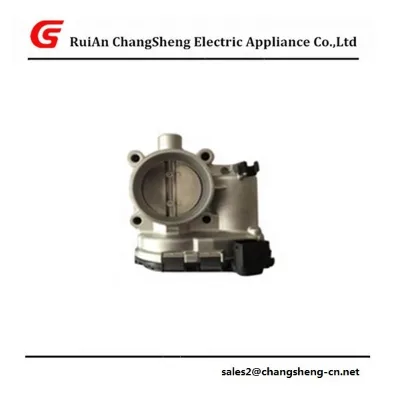
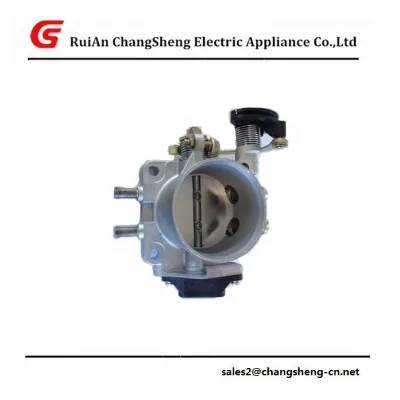
Compare 30 listings for the fixed engine throttle body from verified Chinese suppliers. Buyers can review materials like steel and aluminum, customization options, and lead times to find the right part for their vehicle needs.
Key considerations
Products List








Comprehensive Sourcing Guide
Strategic Sourcing Guide for Fixed Engine Throttle Body Components
Procuring a fixed engine throttle body requires a disciplined approach that balances precise technical specifications with rigorous supplier validation. In the global B2B market, the term "fixed engine throttle body" often refers to intake components designed for specific engine architectures, such as the WD615 or universal applications, where the physical geometry and electronic integration are critical for performance. The supply chain for these components is diverse, ranging from manufacturers in Anhui and Jiangsu, China, to specialized distributors offering custom configurations. Buyers must navigate a landscape where product attributes like material composition, certification status, and packaging standards vary significantly between listings. This guide provides a structured framework for evaluating potential suppliers and products based on observed market data and industry best practices, ensuring that procurement decisions are grounded in verifiable facts rather than assumptions.
Technical Specifications and Material Composition
The foundation of a successful procurement strategy lies in a deep understanding of the technical specifications required for the fixed engine throttle body. The core component must align with the engine's airflow requirements and mounting constraints. In the current market, observed specifications include model identifiers such as "WD615," "102mm," and specific part numbers like "1537636" or "038128063F." These identifiers are not merely labels; they dictate the physical compatibility of the part with the engine block. For instance, a throttle body designed for a specific application may have a single volume of 0 cm³ in certain catalog descriptions, indicating a need for precise volumetric calibration during the manufacturing process.
Material selection is equally critical. The supply data indicates a mix of materials, including Steel, Aluminum, and Plastic. Steel components are often cited for their durability in high-stress environments, while Aluminum is frequently chosen for its weight reduction properties in intake systems. Plastic components may appear in specific sensor housings or non-structural elements. Buyers must verify the exact material grade for their specific engine application, as the "Fixed" designation implies a rigid design that cannot be easily modified. The production techniques observed, such as Laser Cutting, Stamping, and Cutting, suggest that the manufacturing process must be capable of maintaining tight tolerances. A mismatch in material or production technique can lead to premature failure or incompatibility with the engine's electronic control unit (ECU).
Compliance, Certification, and Standard Verification
Navigating the compliance landscape is essential for ensuring that the procured throttle body meets international safety and quality standards. The market data reveals a variety of certification claims, including ISO9001, CE, and Ts16949. These certifications are vital indicators of a supplier's commitment to quality management systems and automotive industry standards. However, buyers must treat these as observations to be verified rather than automatic guarantees. The presence of certifications like TSCE and ISO in the product attributes suggests a focus on standardized manufacturing processes, but the specific scope of these certifications must be confirmed.
Furthermore, the "Standard" attribute in product listings varies, with some entries citing "40kg" or "30kg," which likely refers to weight standards or load capacities rather than the part itself. Other listings mention "By The Customer Needs" or "universal" as the standard, highlighting the importance of custom compliance. For a fixed engine throttle body, the standard must align with the original equipment manufacturer (OEM) requirements. The "Standard Component" vs. "Non-Standard Component" distinction is also crucial; if the part is non-standard, the supplier must demonstrate the capability to produce custom molds and tooling. Buyers should request documentation proving that the specific batch of throttle bodies has undergone the necessary testing to meet the claimed standards, particularly regarding emissions and airflow efficiency.
Cost Drivers and Pricing Structures
Understanding the cost drivers for fixed engine throttle bodies is necessary for effective budget management. The observed price range in the market is vast, spanning from $0.3 to $100,000 USD. This extreme variance indicates that the "fixed engine throttle body" category encompasses everything from simple replacement gaskets to complete, high-performance intake assemblies with integrated electronics. The price is heavily influenced by the material used, the complexity of the production technique, and the level of customization required. For example, a unit produced via laser cutting and stamping with a custom design will command a higher price than a standard universal part.
Minimum Order Quantity (MOQ) is another significant cost factor. The observed MOQ range is between 1 and 1000 units. A supplier requiring an MOQ of 20 pieces, as seen in some listings, may offer more flexibility for smaller buyers, while those requiring 1000 units may provide better economies of scale for large-scale production. Buyers must calculate the total cost of ownership, which includes not only the unit price but also shipping costs, which are often categorized under "Ocean Freight" or "Carton" packing. The "Single gross weight" of 0.0 kg in some listings suggests that weight data may be inconsistent or that the weight is negligible for small components, necessitating careful verification of shipping logistics.
Typical Applications and Compatibility
The application of a fixed engine throttle body is diverse, ranging from general replacement and repair to specific industrial or automotive uses. The product attributes indicate applications such as "universal," "for replace/repair," and specific engine models like "WD615." This versatility means that a single throttle body design might be adapted for multiple engine types, or conversely, that a specific engine requires a highly specialized part. The "Type" attribute, listing "Crankshaft Tile" or "Intake Manifold," suggests that the terminology in the market can be broad, and buyers must ensure they are sourcing the exact component required for their engine's intake system.
Compatibility is further complicated by the "Brand Name" and "OE No_" fields. Listings reference brands like "3V-TECH" and OE numbers such as "16400RNAA01" and "16400-RNA-A01." These references are critical for ensuring that the replacement part fits the specific vehicle or machinery. A mismatch in OE numbers can lead to installation failures or performance issues. Buyers should cross-reference the part numbers with their existing inventory or the engine manufacturer's documentation. The "Purpose" field, which often states "for replace/repair," reinforces the need for exact dimensional and functional matches.
Supplier Evaluation and Origin Verification
Evaluating suppliers requires a focus on their location, production capabilities, and track record. The supply data identifies origins in "China," specifically "Anhui, China" and "Jiangsu, China." These regions are known for their manufacturing hubs, but buyers must verify the specific factory's capabilities. The "Place of Origin" is a starting point, but the actual production facility's quality control measures are more important. Suppliers should be able to demonstrate their production techniques, such as the "Push" technics or "Laser Cutting" methods observed in the listings.
The "Condition" of the product is listed as "New," which is a standard expectation for replacement parts. However, buyers should also inquire about the "Production" timeline and "Leadtime." A lead time of "2 Weeks" is observed, but this can vary based on the complexity of the order and the supplier's current workload. The "Quality" attribute, stating "Sample Confirm Before Mass Production," is a crucial safeguard. Buyers should insist on a sample confirmation process to verify that the mass-produced units match the prototype in terms of material, dimensions, and finish. This step is particularly important for non-standard components where custom tooling is involved.
Quality Control and Long-Term Procurement Considerations
Quality control is the final barrier before a procurement decision is finalized. The observed "Quality" attribute emphasizes sample confirmation, but buyers should also look for ongoing quality assurance measures. The "After-Sales Service" period, listed as "12 Months" or "1 Year," provides a window for addressing any defects that may arise after installation. This warranty period is a key indicator of the supplier's confidence in their product. Buyers should ensure that the warranty covers not just the part itself but also any labor costs associated with replacement if the part fails prematurely.
Long-term procurement considerations involve building a sustainable relationship with the supplier. The "Customization" attribute being "Available" suggests that suppliers are willing to adapt their products to specific needs, which is beneficial for long-term partnerships. However, buyers must manage the "Packing" requirements carefully. Options like "Plastic Bag and Carton Box," "Netural Packing," or "Ocean Freight" packing can impact the condition of the goods during transit. Proper packing is essential to prevent damage, especially for delicate components like throttle bodies.
| Feature | Observation from Market Data | Buyer Verification Action |
|---|---|---|
| Material | Steel, Aluminum, Plastic | Verify material grade against OEM specs. |
| Certification | ISO9001, CE, Ts16949 | Request valid certificates for the specific batch. |
| MOQ | 1 to 1000 units | Negotiate MOQ based on projected demand. |
| Lead Time | 2 Weeks (observed) | Confirm current lead time and capacity. |
| Origin | Anhui, Jiangsu, China | Verify factory location and audit if necessary. |
| Warranty | 12 Months / 1 Year | Clarify terms and coverage in the contract. |
| Packing | Carton, Plastic Bag, Neutral | Ensure packaging meets shipping requirements. |
In conclusion, sourcing a fixed engine throttle body requires a meticulous approach that addresses technical, logistical, and commercial factors. By leveraging the observed data on materials, certifications, and supplier capabilities, buyers can make informed decisions that ensure compatibility and quality. The key is to treat product attributes as observations to be validated rather than absolute claims, ensuring that every procurement decision is backed by evidence and rigorous verification.
FAQs
What materials are used for fixed engine throttle bodies?
Fixed engine throttle bodies are commonly manufactured using steel, aluminum, or plastic. Steel offers durability for high-stress environments, while aluminum reduces weight. Plastic is often used for non-structural sensor housings, so buyers must verify the specific grade required for their engine application.
Which certifications should I look for in a supplier?
Look for suppliers with ISO9001, CE, or Ts16949 certifications. These indicate adherence to quality management systems and automotive industry standards. Buyers must verify that these certifications apply to the specific batch of parts being procured to ensure compliance with safety and performance requirements.
How long does production take for custom throttle bodies?
Production lead time is typically around two weeks for standard orders. This duration may vary based on the complexity of customization and the supplier's current workload. Buyers should confirm the specific timeline before mass production, especially when sample confirmation is required for non-standard components.
Can I customize the packaging for my order?
Yes, customization is available for packaging options like neutral packing or custom designs. Suppliers may offer plastic bag and carton box combinations or ocean freight packaging. Buyers should specify their packing needs clearly to ensure the parts arrive without damage during transit.
What is the minimum order quantity for these parts?
Minimum order quantities range from 1 to 1000 units depending on the supplier. Some listings show an MOQ of 20 pieces, while others require larger volumes for better pricing. Buyers should negotiate based on their projected demand to balance cost efficiency with inventory requirements.
Where are these throttle bodies typically manufactured?
These components are primarily manufactured in China, with specific origins in Anhui and Jiangsu provinces. Buyers should verify the exact factory location to assess quality control measures and logistics. The place of origin is a starting point for evaluating the supplier's manufacturing capabilities and reliability.
What warranty is provided for replacement parts?
After-sales service typically covers a period of 12 months or one year. This warranty period indicates the supplier's confidence in product quality. Buyers should clarify if the warranty covers labor costs for replacement if the part fails prematurely after installation.